


The short answer: three bins and a gate
When budget has to be committed before the federal fiscal year closes on September 30, the failure mode is predictable: money spent quickly on gear that does not fit the fleet, the mission, or anybody’s actual replacement schedule. The fix is not spending slower — the calendar will not allow it. The fix is sorting the wish list before anything goes on a purchase order.
Three bins, spent in order:
- Certain consumption. Restock what the department always burns — tactical-medical consumables and their carriage, eye protection, glove replacements. Nothing in this bin can become a wasted dollar.
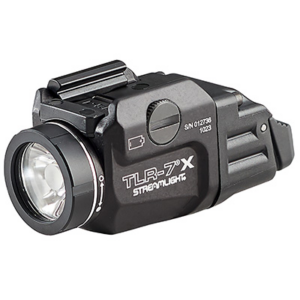
- One spec per class. Standardized hardware with no per-officer fitment risk — duty lights, belts, holders. One spec is cheaper to reorder and easier to train.
- Audit-first. Anything fitted per officer — holster programs, optics transitions — gets year-end money only if the fitment audit already exists. A purchasing deadline is the worst possible time to start one.
And one gate across all three: lead times confirmed before the PO goes in.
The rule that carries the whole sort: fitment before quantity.
One calendar note before the detail. September 30 is the federal fiscal year-end. Many state and municipal budget years closed back on June 30, and some agencies run different calendars entirely. The sort works the same way whichever date you answer to — only the deadline changes.
Why year-end buys go wrong
Deadline, bulk, and fitment are a bad combination. A department with funds to commit and days to commit them reaches for quantity — a case of this, a unit-wide order of that — because quantity is fast. But most duty gear is not generic. It fits a pistol, a light, a belt width, a hand, or a role, and a bulk order placed against an unaudited fleet turns into partial returns, orphan sizes, and equipment that never leaves the storage room.
The quiet cost of a bad year-end buy is not the lapsed dollar. It is the spent dollar sitting on a shelf — because it also shows up in next year’s justification as money the department “already spent” on that category.
The three bins exist to route the fast money toward purchases that cannot miss, and to keep the deadline away from the purchases that need homework first.
Bin 1 — certain consumption
Start with what the department uses on schedule, because restock is the one purchase that is always right.
Tactical-medical carriage and consumables lead this bin. Tourniquet holders like the L.A. Rescue CAT holder, kit-level replacements like the Trauma Attack Pack, and belt-carried kits like the Eagle 500D belt IFAK pouch all replace items the department has already decided it carries. Replace medical consumables on the manufacturer’s guidance — this is lifecycle management, and the tactical medical category is built for exactly this kind of restock order.
Eye protection belongs here too — range-day breakage and scratched lenses make items like RUSH safety glasses a standing consumable. So do glove replacements like the Taclite 3, with one honest caveat: gloves are sized. A size run is not a fitment combo — you do not need an audit, you need a size breakdown from the roster, which is an email, not a project. Get it before the bulk order, not after.
Bin 2 — one spec per class
The second bin is hardware that fits the job rather than the officer: duty lights, duty belts, and the carriage hardware that goes with them.
A handheld like the ProTac 2L X works the same on every belt in the fleet. A Bianchi Model 7200 duty belt standardizes the platform everything else mounts to. A Safariland Model 306 flashlight holder is the kind of small, uniform accessory that quietly consumes replacement budget all year and never needs a per-officer decision.
One spec per class pays twice. The reorder is simpler — one line item instead of five variants — and the training is simpler, because every officer’s belt works the same way. This is the same spec-by-assignment logic we laid out for gear bags: decide the class once, then buy the class, not the catalog.
Bin 3 — audit-first
The third bin is everything fitted per officer, and it is where year-end money goes to die when the homework has not been done.
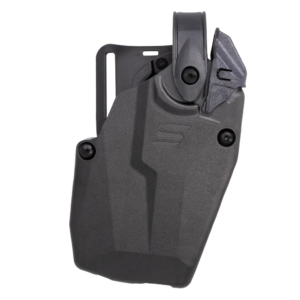
Duty holsters are the clearest case. A holster fit runs per pistol, weapon light, and optic combination — not per pistol — which is why we wrote a whole holster-first planning guide for optics transitions. The audit that guide describes — officer, pistol, light, optic footprint, current holster, target fit — is the prerequisite, and it takes longer than a purchasing deadline allows.
The bin-3 rule cuts both ways. If the audit already exists, year-end money is a fine way to finish the program: the combinations are mapped, the fits are listed, and the order is just execution. If the audit does not exist, do not let the calendar start one. Scope the program for the new budget year and spend this year’s remainder in bins one and two, where it cannot miss.
The lead-time gate
Every bin shares one gate: confirm lead times with the supplier before the purchase order goes in, not after.
This is a conversation, not a research project — a list of line items and quantities, sent with the question “what does delivery actually look like on these?” Your finance office knows what your own rules require about order and delivery timing at year-end; the gear side of the gate is simply making sure the answer you give them is real. An order that cannot arrive the way your rules require does not solve the lapse problem — it just relocates it.
FAQ
When does the federal fiscal year end? The federal fiscal year ends September 30. Many state and municipal budget years close June 30 instead, and some agencies run different calendars entirely. The sort in this guide works the same way whichever date applies — check your own budget calendar before planning a year-end purchase.
What should a department buy with year-end budget? Start with certain consumption — consumables and replacements the department always uses, like tactical-medical restock, eye protection, and gloves. Then standardized, one-spec-per-class hardware such as duty lights and belts. Leave per-officer fitment programs for last, and only with an existing audit.
Should we start a holster program with year-end money? Only if the fitment audit already exists. Duty holster fits run per pistol, light, and optic combination, and mapping a fleet takes longer than a purchasing deadline allows. If the audit is done, year-end funds can finish the program properly; if it is not, scope the program for the new year.
How do we avoid wasting year-end funds? Sort requests into three bins — certain consumption, one spec per class, and audit-first — and spend in that order. Confirm lead times with the supplier before the purchase order goes in, and get a size breakdown from the roster before bulk-buying anything sized.
More planning guides like this one live in the Resource Center. And if you are sorting a year-end list right now: send it before the PO goes in — the Gear Desk will tell you what fits first.